
Property Survey Cost When Several Older Deeds Describe One Tract
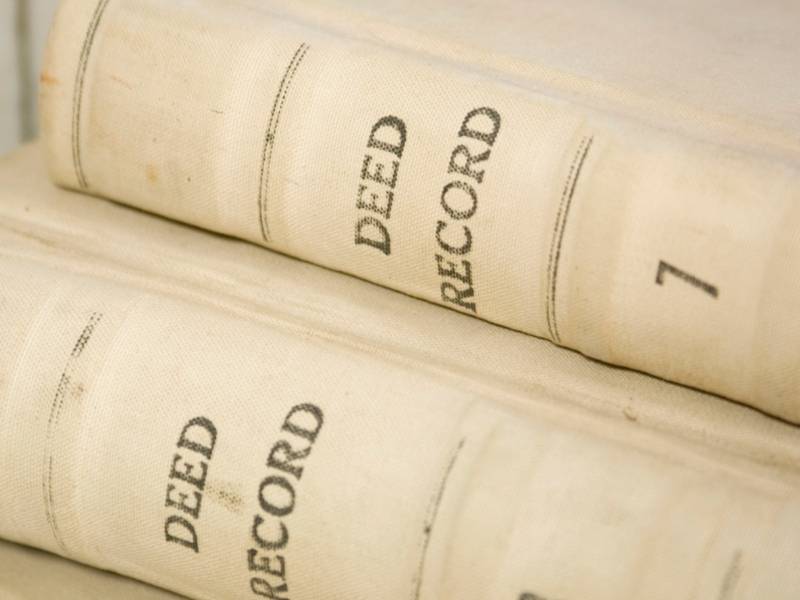
If your land has more than one old deed attached to it, your property survey cost may go up before a surveyor ever sets foot on your land. That’s because the real work often starts in the records room, not the field. When one tract was pieced together from several older deeds, the surveyor has to read, compare, and connect each document before drawing any conclusions.
This isn’t rare. Farms split among heirs, lots combined over decades, and land sold off in pieces all leave behind a paper trail. Each deed in that trail can affect what the surveyor needs to do next.
Why Several Older Deeds Can Increase the Research Behind a Property Survey
A survey isn’t just measuring dirt. It starts with paper.
When a tract has one clean deed, the surveyor reads it, checks it against the record, and moves forward. But when several older deeds describe the same land, the surveyor has to trace each one back through time. They need to figure out how the pieces fit together and whether they actually describe the same boundaries you think you own.
This research takes time. Old records aren’t always indexed well. Some counties still keep certain records on paper only. A surveyor might need to pull deeds from three, four, or five separate transactions just to understand how your current tract came to be.
That extra digging happens before any fieldwork starts. It’s part of the job, but it adds hours that a single-deed property wouldn’t need.
Comparing Calls, Bearings, Distances, and Acreage Across Historic Deeds
Older deeds don’t always agree with each other, even when they describe the same land.
One deed might list a bearing in one direction. Another might use a different reference point entirely. Acreage figures can shift slightly from document to document. Monuments mentioned in one deed, like an old fence post or a specific tree, may no longer exist by the time the next deed was written.
The surveyor has to line all of this up. They compare each call, each distance, and each acreage figure to see where they match and where they don’t. Small differences might be nothing more than rounding or old measuring habits. Larger gaps can point to something that needs closer study.
This comparison work is detailed. It also can’t be rushed, because getting it wrong affects where the final boundary lines are drawn.
When the Deed Chain Requires More Office Work Than Field Work
Here’s something that surprises a lot of landowners. A property can look simple on the ground and still take a long time to research.
Flat, open land with no obvious boundary disputes might seem easy. But if that land changed hands many times, and each transaction produced its own deed, the surveyor has to trace the full chain. They read each earlier conveyance. They check how each new deed describes the land compared to the one before it. They confirm the documents actually connect to form the tract you own today.
All of that happens at a desk, not in a field. The physical survey might only take a day. The records research behind it could take much longer, especially if older deeds reference documents that are hard to locate.
Missing or Inconsistent Deed Information Can Affect the Survey Scope
Not every old deed was written with future clarity in mind.
Some contain calls that don’t close properly. Others reference monuments without saying exactly where they stood. Acreage numbers might not match between one deed and the next. In some cases, a deed simply doesn’t connect smoothly with a later document, leaving a gap the surveyor has to work through.
When this happens, the surveyor has to dig deeper. They might need to review adjoining property records, check historical maps, or look for earlier surveys tied to the same land. This kind of investigation takes real time, and time is a major part of how a property survey cost gets calculated.
A tract with clean, consistent records moves faster. A tract with gaps or contradictions takes more effort to sort out, and the quote often reflects that.
What to Provide When Requesting a Quote for a Multi-Deed Property
If your land has a complicated deed history, you can help the surveyor by gathering what you already have.
Start with copies of any deeds you know about. Even old, faded, or hard-to-read documents are useful. Include parcel numbers, tax records, or plat maps if you have them. If a previous survey was ever done on the land, share that too, even if it’s decades old.
Also let the surveyor know what you understand about how the property came together. Was it split from a larger farm? Combined from two smaller lots? Passed down through several family members? That background helps the surveyor know where to start looking.
None of this guarantees an instant, fixed price. Some deed chains simply need review before a firm number can be given. But sharing what you have upfront often speeds up that first step, and it gives the surveyor a clearer picture of what they’re working with.
Frequently Asked Questions
Why can several deeds for one property affect the survey cost?
More documents usually mean more research. The surveyor has to compare descriptions, check for consistency, and confirm how each deed connects to the current tract. That work takes time beyond what a single, clear deed would require.
Can a surveyor give an exact price before reviewing the older deeds?
Not always. Deed complexity affects how much research is needed. Many surveyors prefer to look at the available records first so the quote reflects the actual scope of work.
Why might older deeds describe the same tract differently?
Language and measuring practices changed over time. Different clerks or surveyors used different terms, monuments, or reference points. Some deeds also describe smaller pieces that were later combined into the tract you own now.
Should I send all of my old deeds to the surveyor?
Yes, if you have them. Even incomplete or older documents give the surveyor useful context. Prior surveys are helpful too, since they show how the land was previously understood.
Does having several deeds mean there is a problem with the property?
No. Multiple deeds are common and usually just show how the land was assembled or passed down over the years. The surveyor still needs to review the records, but extra deeds by themselves aren’t a red flag.
