
Buying Property? Here’s When an ALTA Survey Is Needed
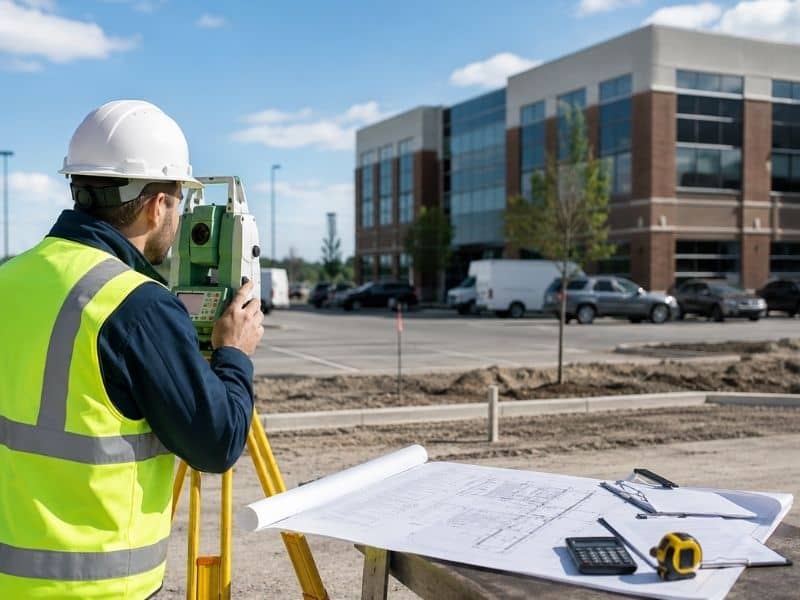
Buying commercial property is a big decision. Before money changes hands, buyers want to know exactly what they are getting. A property may look fine at first, but hidden issues can create problems later. There could be access concerns, utility easements, or structures crossing property lines.
This is where an ALTA Survey becomes useful.
An ALTA Survey gives buyers, lenders, title companies, and developers a clear look at a property before important decisions are made. It combines property measurements with legal records to help uncover issues early.
What Is an ALTA Survey?
An ALTA Survey is a detailed land survey used mostly in commercial real estate deals. It follows standards created by the American Land Title Association and the National Society of Professional Surveyors.
Unlike a basic survey, an ALTA Survey does more than show property lines. It compares what exists on the land with legal property records.
This type of survey is often used for:
- Commercial property purchases
- Property refinancing
- New development projects
- Shopping centers
- Office buildings
- Industrial properties
- Large land purchases
Banks and title companies often ask for an ALTA Survey before approving loans or issuing title insurance.
What Does an ALTA Survey Show?
An ALTA Survey gives a detailed picture of a property. It helps identify features and conditions that may affect ownership or future plans.
An ALTA Survey may show:
- Property boundaries
- Buildings and structures
- Driveways and access points
- Easements
- Rights-of-way
- Fences
- Utility features
- Parking areas
- Roads
- Encroachments
Surveyors compare field measurements with title records. This process can uncover problems before a property sale is completed.
When Do You Need an ALTA Survey?
Many people ask for an ALTA Survey during commercial property transactions. Different surveys serve different purposes. An ALTA Survey provides more information than a simple property line survey.
You may need an ALTA Survey if you are:
- Buying commercial property
- Selling commercial property
- Refinancing property
- Working with a lender
- Planning future development
- Purchasing large land parcels
- Applying for title insurance
For example, a developer buying land for a future shopping center may need to confirm access rights and utility locations before construction starts.
Finding these details early can help avoid delays later.
Who Requests an ALTA Survey?
Several groups may ask for an ALTA Survey because they rely on the information it provides.
Common examples include:
- Banks
- Lenders
- Title companies
- Commercial property buyers
- Developers
- Investors
- Attorneys
Lenders use ALTA Surveys to reduce risk. Title companies review the survey to help support title insurance coverage. Buyers use the information to better understand the property.
What Documents Help Start an ALTA Survey?
Surveyors can begin with basic property information, but certain documents help speed up the process.
Helpful documents include:
- Title commitments
- Property deeds
- Legal descriptions
- Existing surveys
- Easement documents
- Recorded plats
One of the most important documents is the title commitment. It helps surveyors identify recorded items connected to the property.
Missing records can sometimes slow down the process.
What Are Table A Items?
ALTA Surveys include optional items called Table A items.
These are extra details requested by the buyer, lender, or title company. Different projects require different information.
Common Table A items include:
- Flood zone information
- Utility details
- Parking counts
- Building measurements
- Exterior site features
- Zoning-related information
Not every project needs every option. The selected items usually depend on the goals of the project.
Why Is an ALTA Survey Important Before Closing?
Property problems found after a sale can become expensive.
An ALTA Survey helps identify issues before the closing process is complete.
For example, it may reveal:
- A fence crossing onto another property
- Access rights that are different than expected
- Utility easements affecting future plans
- Structures built in the wrong location
Finding these issues early gives buyers time to ask questions and solve problems before moving forward.
ALTA standards are also updated over time. Surveyors follow national standards to help provide consistent information across projects.
Frequently Asked Questions
Is an ALTA Survey the same as a boundary survey?
No. A boundary survey mainly identifies property lines. An ALTA Survey includes additional details such as title records, easements, and site improvements.
How long does an ALTA Survey take?
The timeline depends on the size of the property and available records. Larger sites often take more time.
Are ALTA Surveys only used for commercial properties?
Most ALTA Surveys are used for commercial transactions, but some larger properties may also require them.
Can an ALTA Survey uncover property issues?
Yes. It can identify encroachments, access concerns, easements, and other issues that affect a property.
Do all ALTA Surveys include Table A items?
No. Table A items are optional and depend on the needs of the project.
